

STEM Sparks October 2026

From Storytime to STEM: How Literacy-Based Engineering Transforms Learning
By integrating engineering design challenges into literacy instruction, educators can transform books and stories into powerful opportunities for problem-solving, creativity, and critical thinking. Dr. Dina Dormer of the West Chester Area School District demonstrates how literacy-based engineering helps students move beyond simply reading a text to actively engaging with it by identifying problems, designing solutions, and testing their ideas.
Literacy and STEM are often viewed as separate instructional priorities, competing for limited classroom time. Literacy-based engineering challenges that notion by blending the two in meaningful ways. Through carefully selected mentor texts, students use the engineering design process to investigate problems faced by characters, develop solutions, create prototypes, and communicate their thinking using evidence from the text.
The approach begins with a simple question: What problem in this story can be solved through engineering? Students identify challenges within a text and work through the design process to generate realistic, testable solutions. In doing so, they strengthen comprehension, deepen content knowledge, and engage in authentic literacy tasks while applying engineering thinking.
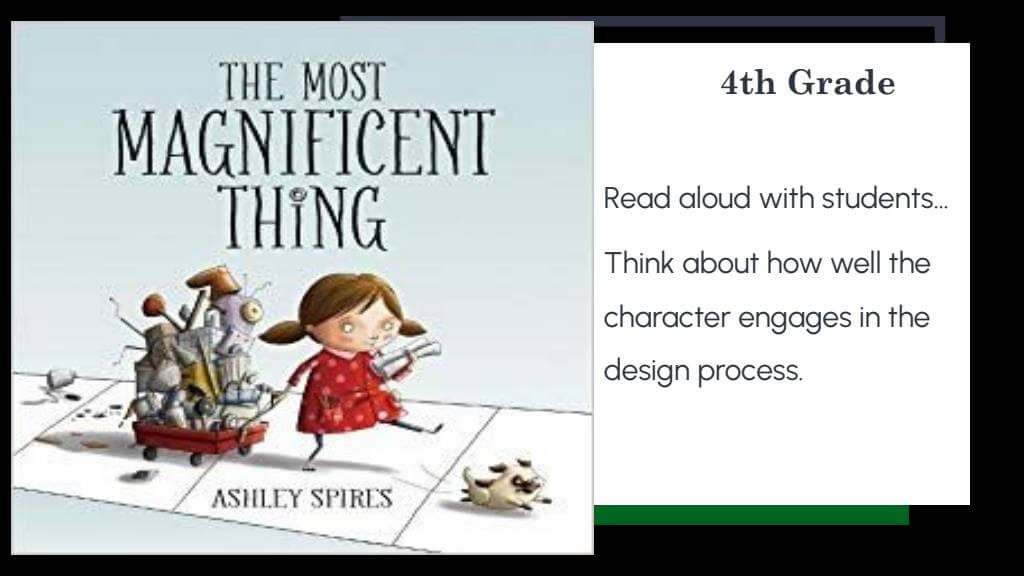
One elementary example uses the children's book The Most Magnificent Thing. Students analyze how the main character engages in the design process and discuss how effectively she defines the problem before attempting solutions.
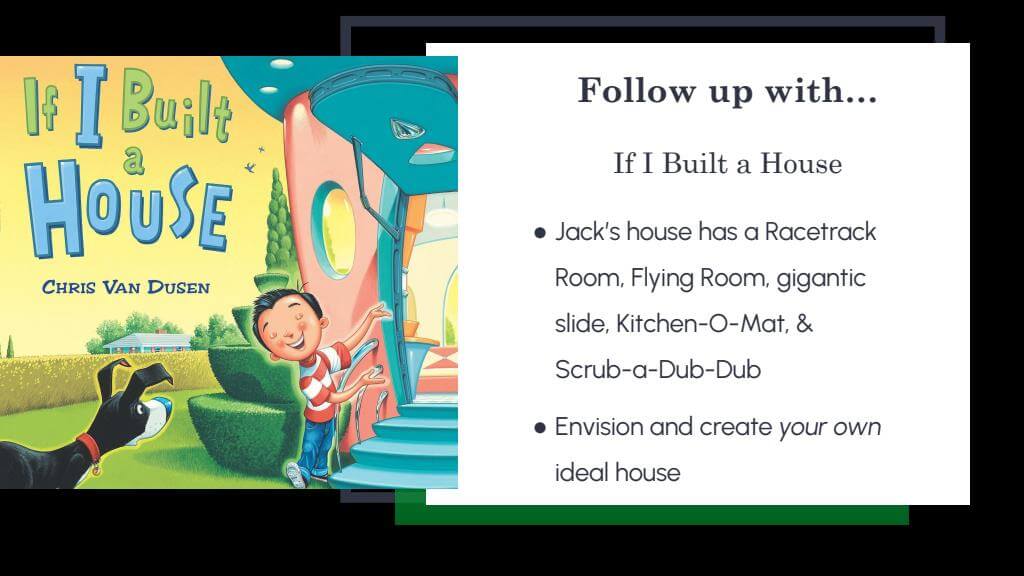
Another lesson extends the story If I Built a House, encouraging students to imagine and create their own ideal homes. Learners define design criteria, develop blueprints, construct prototypes, test their ideas, and make improvements based on results.
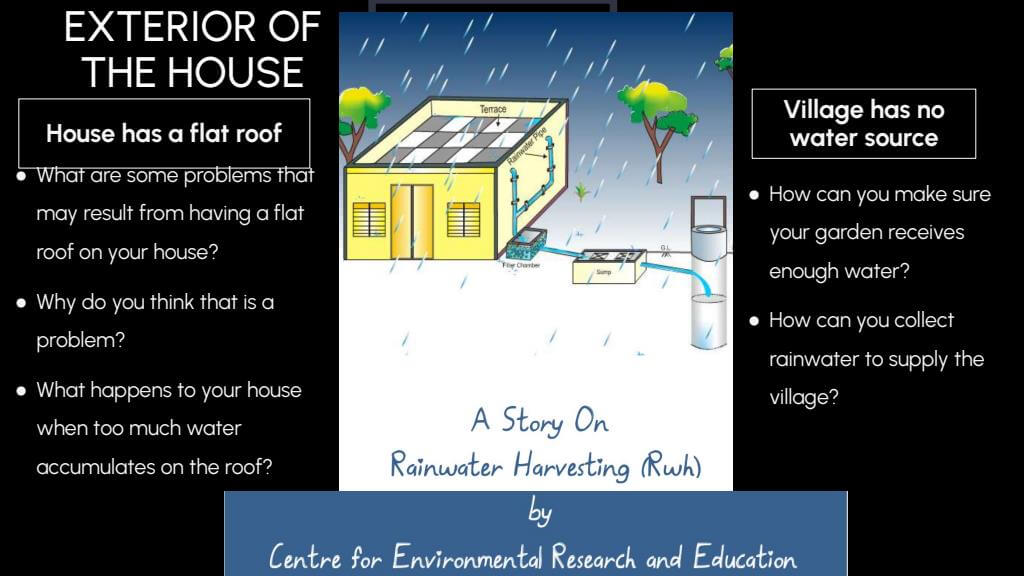
A particularly compelling challenge connects literacy with environmental sustainability. After reading a story about rainwater harvesting, students are presented with a problem: a home has a flat roof that causes flooding and lacks access to water for a garden. Working through the engineering design process, students redesign the roof and create a water collection system. Using simple materials such as tissue boxes, cardboard, construction paper, straws, tape, and marbles to simulate water flow, students test and refine their solutions.
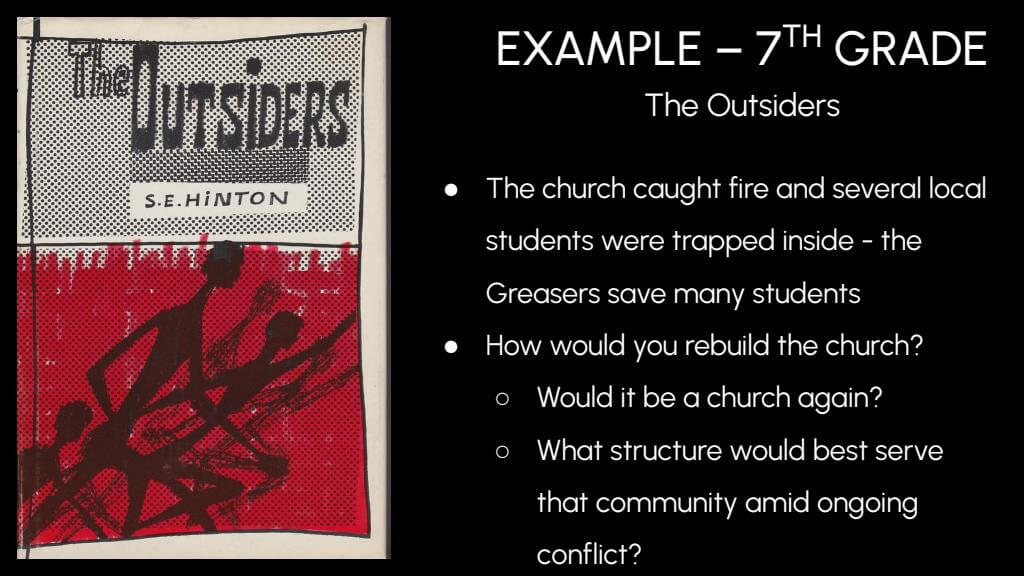
The strategy is equally effective at the secondary level. Using The Outsiders as a mentor text, students are challenged to reconsider how a community might rebuild after the church fire described in the novel. Rather than searching for a single correct answer, students evaluate community needs, consider constraints, and design structures that could best serve residents facing ongoing challenges.
A key strength of literacy-based engineering is that it naturally encourages multiple perspectives. Because design challenges are open-ended, students learn that there can be many viable solutions to the same problem. They must justify their decisions using details from the text, test their ideas, evaluate results, and revise accordingly. This iterative process mirrors the work of real engineers while reinforcing important literacy skills.
The presentation highlights several important considerations for educators trying literacy-based engineering for the first time. Choose texts that contain a concrete problem, encourage students to build functional and testable prototypes, intentionally use engineering vocabulary, and incorporate reflection throughout the process. Teachers should also recognize that the design process is cyclical rather than linear. Students often move back and forth between planning, testing, and redesigning as they refine their solutions.
Classroom Takeaways
Educators interested in implementing literacy-based engineering can start small:
1. Look for Problems Hidden in Stories
Select books, articles, or novels that contain authentic challenges faced by characters. Ask students, "What problem needs solving?" before introducing the design challenge.
2. Make Reading a Springboard for Design
Use evidence from the text to establish constraints, define success criteria, and justify design decisions. Students should be able to explain how the story influenced their solution.
3. Prioritize Prototyping
Solutions should move beyond discussion whenever possible. Even simple classroom materials can help students test and evaluate ideas.
4. Embrace Multiple Solutions
Engineering challenges rarely have one correct answer. Encourage students to explore different approaches and compare outcomes.
5. Build Reflection Into Every Phase
Students gain valuable insights when they share successes, setbacks, and redesign decisions throughout the process.
The Power of Better Together
Literacy-based engineering demonstrates that literacy and STEM instruction do not have to compete for classroom time. When thoughtfully integrated, stories become catalysts for inquiry, design, and innovation. Students not only strengthen reading comprehension and communication skills, but also learn to approach challenges with curiosity, creativity, and a STEM mindset. As educators seek meaningful ways to engage learners across disciplines, literacy-based engineering offers a powerful reminder that some of the best engineering problems can be found right inside the pages of a good book.